
You don’t know you lack a commercial system… until revenue slows.
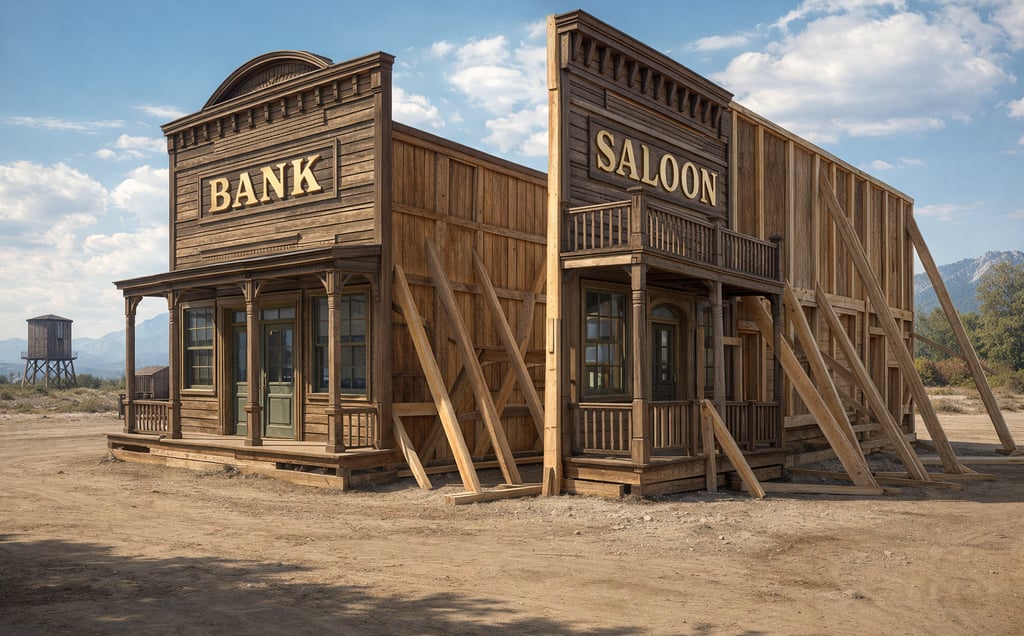
Revenue doesn’t expose broken systems — it exposes the absence of one. Many organizations mistake CRM usage and a comp plan for a true commercial engine, only to realize during tougher cycles that performance was personality-driven, not process-driven. Tailwinds hide structural weakness; headwinds reveal it.
Carter Cathey
3/6/20261 min read
Most companies believe they have a commercial system.
They have:
A CRM.
A comp plan.
A forecast call.
A few top performers.
A quarterly target.
It feels like a system.
Until growth stalls.
Until forecast accuracy collapses.
Until the same deals slip every quarter.
Until performance becomes personality-driven.
Until leadership realizes they can’t explain variance.
And that’s when the illusion disappears.
Because what they had wasn’t a commercial system.
It was momentum.
It was talent.
It was market tailwinds.
It was a few strong sellers compensating for structural gaps.
A real commercial system does three things:
It produces predictable outcomes.
It makes performance replicable.
It reduces reliance on heroics.
You can tell whether you have one by asking:
If two top performers left tomorrow, would revenue wobble?
Can you clearly explain margin by segment?
Is your forecast built on defined exit criteria — or optimism?
Do incentives reinforce the behaviors you actually want?
When growth is easy, almost anything looks like a system.
When growth gets harder, the truth surfaces.
Revenue leadership isn’t about motivating the team harder.
It’s about designing an operating structure that works in both strong markets and weak ones.
Because when the tailwinds disappear, only the system remains. Or maybe, nothing remains at all.
Related Articles by Carter Cathey
About Carter Cathey
Carter Cathey is a sales and revenue leader with more than 20 years of experience helping market research, technology, and private-equity-backed businesses scale revenue, improve operations, and build predictable growth systems.
Throughout his career, he has led sales transformation initiatives, pricing strategy projects, subscription business model transitions, operational redesign efforts, and commercial growth programs.
He writes about leadership, organizational design, business systems, data-driven decision making, and the challenges companies face as they scale.
Learn more about Carter Cathey