Always available, always multitasking: what does that really cost us?
Is hyperconnectivity a superpower or a huge liability? Where do we accomplish our best work? And, is this how we are typically recognized as top performers?
Carter Cathey
12/3/20251 min read
Always available, always multitasking: what does that really cost us?
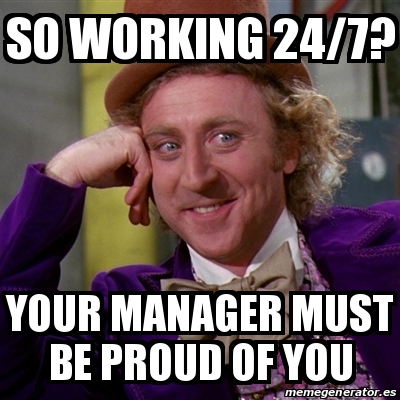
In many companies today, there’s an unspoken rule: if you’re not responding in real-time, you’re not committed. And ironically, this culture often comes from the very top. I’ve delivered training sessions where people are working on other monitors and only partially listening. Even worse, I’ve presented to C-suite leaders who are actively Slack-ing mid-meeting.
But here’s the thing: that kind of hyperconnectivity is seen as a superpower, but can be a huge liability.
Research shows:
- 30% of virtual meetings involve multitasking (responding to emails, Slack, working on files).
- 47% of employees are deliberately carving out “digital silence” blocks just to get meaningful focus time.
- And the costs aren’t just about productivity: constant availability is linked to psychological stress, burnout, and poor work-life boundaries.
When leaders model being “always on,” they unintentionally perpetuate a cycle where being busy = being valuable. But in many roles, we should be defining our worth by impact rather than responsiveness.
Here’s what I think we should do differently:
1) Normalize “offline hours” or “do not disturb” blocks in our calendars.
2) Design meetings for focus, not for broadcast. This means shorter, agenda-led, and with clear purpose. No agenda = No meeting.
3) Reward outcomes over appearances. Celebrate deep work, not how fast someone replies on Slack.
4) Delegate more authority to line-level team members. Senior leaders shouldn't be essential for real time approval of daily tasks.
We don’t need to glorify busyness. We need to build cultures where people feel safe to disconnect, engage deeply, and bring their best, not just their fastest response. Often, our most impactful and transformative work comes from periods of quiet focus rather than hyperresponsiveness.
What are your thoughts and experiences with always on culture?
Related Articles by Carter Cathey
About Carter Cathey
Carter Cathey is a sales and revenue leader with more than 20 years of experience helping market research, technology, and private-equity-backed businesses scale revenue, improve operations, and build predictable growth systems.
Throughout his career, he has led sales transformation initiatives, pricing strategy projects, subscription business model transitions, operational redesign efforts, and commercial growth programs.
He writes about leadership, organizational design, business systems, data-driven decision making, and the challenges companies face as they scale.
Learn more about Carter Cathey