
The Hidden Challenge in the Executive Suite: Understanding Psychopathic Behaviors in Leadership
Why do psychopathic traits show up in leadership roles and how does this impact highly successful teams?
Carter Cathey
11/28/20252 min read
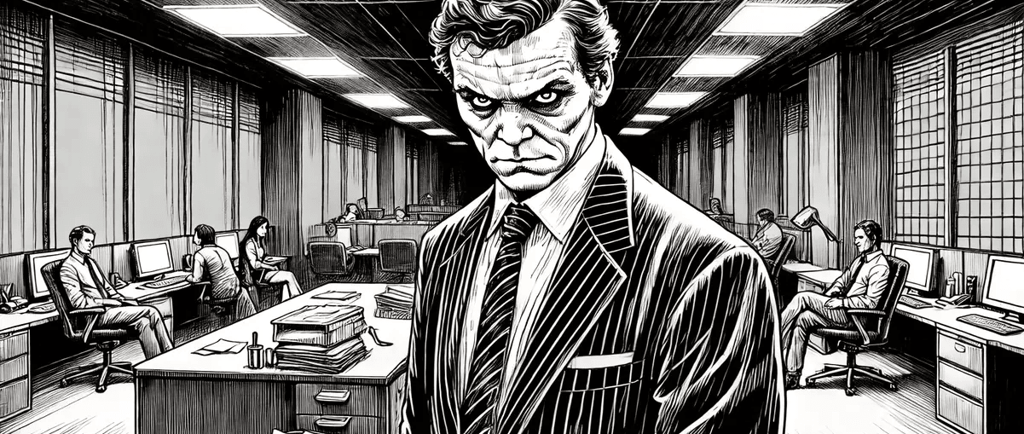

Most people rise through their careers believing that competence, collaboration, and integrity are the keys to advancement. And often they are. But in many organizations, especially at the highest levels, there’s an increased prevalence of psychopathic behaviors that must be navigated.
This doesn’t mean organizations are full of “clinical psychopaths.” But research consistently shows that psychopathic traits, such as manipulativeness, low empathy, ruthless decision-making, and chronic self-interest, are significantly more common among senior corporate leaders than in the general population.
And when you stumble into this dynamic unknowingly, many professionals end up confused, demoralized, or blindsided by behaviors that feel irrational, unfair, or destructive.
Why Psychopathic Traits Show Up in Leadership Roles
Studies estimate psychopathy in the general population at around 1%. Research on corporate leadership places the rate closer to 4%–12%, and some studies report even higher percentages when measuring traits rather than clinical diagnosis.
Why the disproportionate presence?
Because certain traits that hinder people in normal social settings can be advantageous in highly competitive corporate environments:
- Fearlessness under pressure
- Willingness to make unpopular decisions
- Charm used to manipulate or influence
- Ability to operate without emotional burden
- Political ruthlessness masked as “decisiveness”
These traits can accelerate careers, especially in cultures that reward aggression over collaboration, results over relationships, and image over substance.
What Psychopathic Behavior Looks Like in the C-Suite
You don’t need a clinical background to recognize the pattern. Common signs include:
- Superficial charm with selective empathy
- A tendency to shift blame and avoid accountability
- Strategic manipulation disguised as “leadership”
- Inconsistency: warm one moment, volatile the next
- Using people as tools rather than partners
- Creating fear-based compliance rather than loyalty
- Prioritizing personal power over collective success
- Inability (or unwillingness) to recognize harm caused
These traits often show up in subtle ways. And because they’re normalized at the top, entire organizations can start mirroring them.
Have you seen some of these behaviors in your career?Related Articles by Carter Cathey
About Carter Cathey
Carter Cathey is a sales and revenue leader with more than 20 years of experience helping market research, technology, and private-equity-backed businesses scale revenue, improve operations, and build predictable growth systems.
Throughout his career, he has led sales transformation initiatives, pricing strategy projects, subscription business model transitions, operational redesign efforts, and commercial growth programs.
He writes about leadership, organizational design, business systems, data-driven decision making, and the challenges companies face as they scale.
Learn more about Carter Cathey