Zoom Interviews (Interviewer Perspective): What They Don’t Tell You About How They Change Hiring
Zoom interviews are becoming the norm. How do you make sure you are hiring the best possible candidates when this is the only way you get to know them?
Carter Cathey
12/29/20252 min read

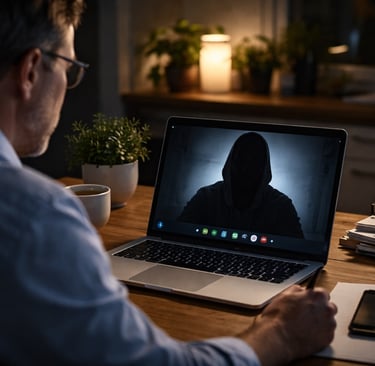
Zoom interviews are incredibly convenient.
They reduce scheduling friction, eliminate travel logistics, and speed up hiring cycles. But they also quietly change how hiring decisions are made, and if you’re not aware of that, you may not be evaluating candidates as fairly or as accurately as you think.
Here’s the challenge:
In-person conversations give you rich, human context. You see posture, presence, the way someone interacts before and after the interview, and the energy they bring into a room.
On Zoom, much of that disappears. You get a narrowed view of the candidate, filtered through internet lag, camera quality, lighting, and how comfortable they are talking into a device.
What Interviewers Need to Be Aware Of
You’re judging with less information. And your brain fills in gaps, often incorrectly.
You may unintentionally overweight polish. Confident speakers and “camera comfortable” people often outperform equally (or more) capable candidates.
It’s easier to disengage. Multitasking during a Zoom interview is tempting, and it sends a message.
Snap judgments happen faster. The format makes early impressions stick harder. Convenience can reduce empathy. It’s easier to treat interviews as transactional rather than human.
Why This Matters
Zoom interviews can unintentionally favor:
Extroverts
People used to presenting
Those with better tech setups
Those naturally comfortable in digital conversation
But those traits don’t always correlate with capability. Unless communicating via Zoom is a core part of the job (sales, client-facing roles, facilitation, leadership), over-indexing on presentation may cause you to miss great talent.
How to Make Better Zoom Hiring Decisions
Slow down early judgments.
Don’t confuse “camera confidence” with competence.
Use structured interviews to reduce bias.
Build in time for real human conversation.
Focus on substance, not polish, unless polish is the job.
Stay present. Don’t multitask. They can feel it.
Zoom hiring isn’t going away. But if we want to build stronger teams, we need to recognize how the medium shapes perception, and make sure we aren’t unintentionally optimizing for the wrong things.
What else do you do to make your zoom interviewing more successful?
Related Articles by Carter Cathey
About Carter Cathey
Carter Cathey is a sales and revenue leader with more than 20 years of experience helping market research, technology, and private-equity-backed businesses scale revenue, improve operations, and build predictable growth systems.
Throughout his career, he has led sales transformation initiatives, pricing strategy projects, subscription business model transitions, operational redesign efforts, and commercial growth programs.
He writes about leadership, organizational design, business systems, data-driven decision making, and the challenges companies face as they scale.
Learn more about Carter Cathey